A SUFI ODE IN THE HEART OF FORT
PROJECT: |
Cafe Nur |
LOCATION: |
Fort, Mumbai |
AREA : |
750 Sq ft |
YEAR: |
2025 |
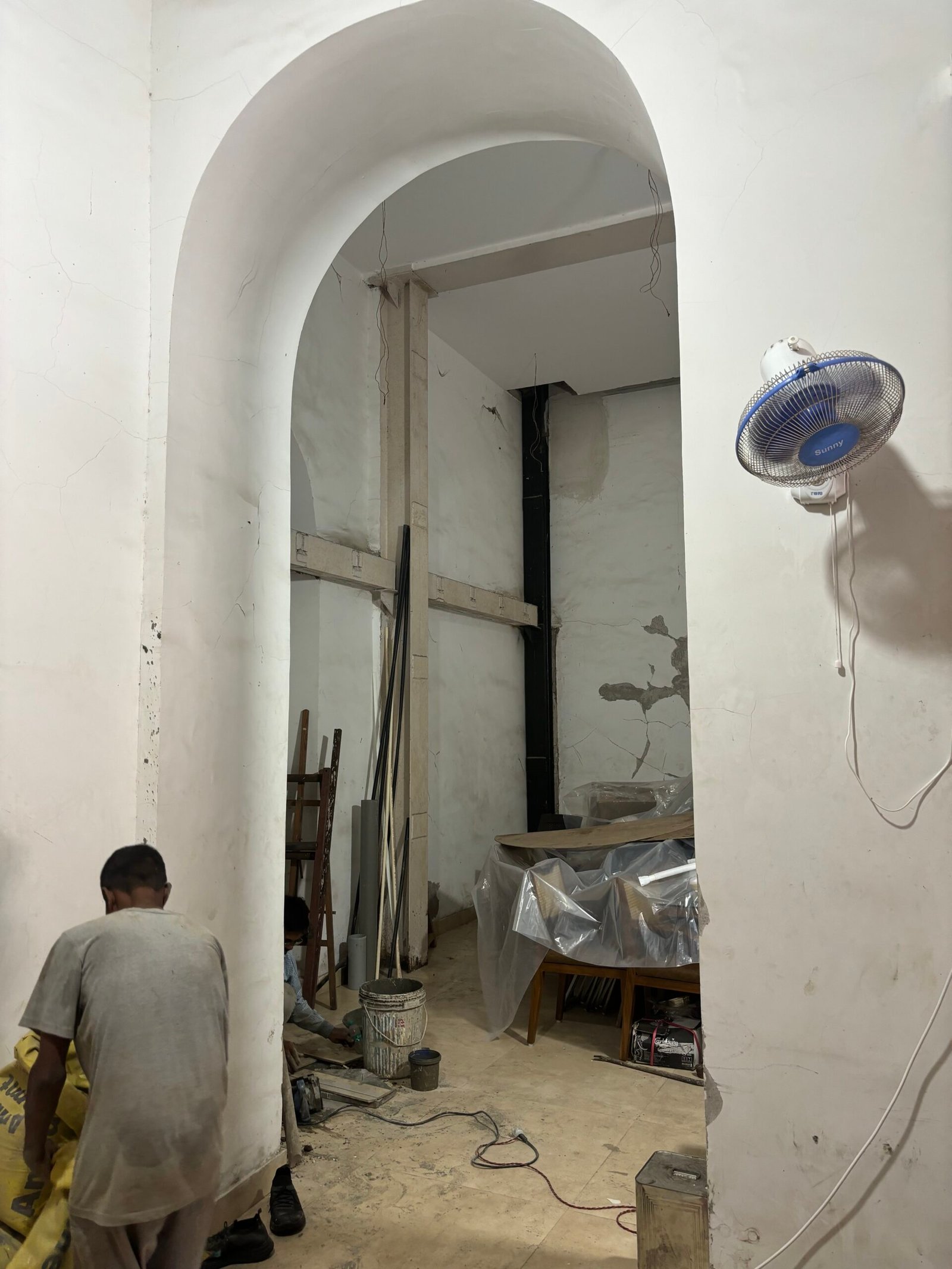
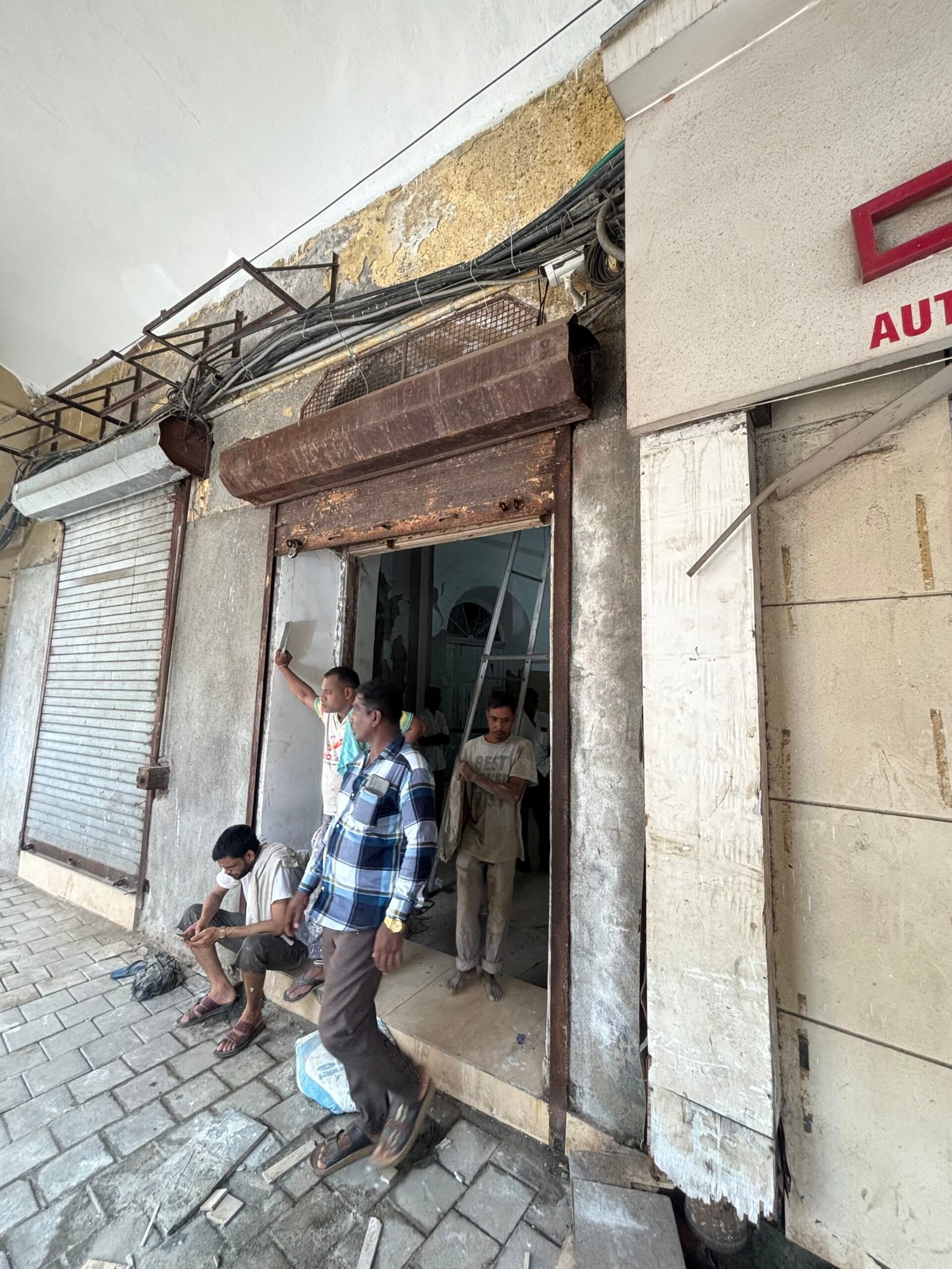
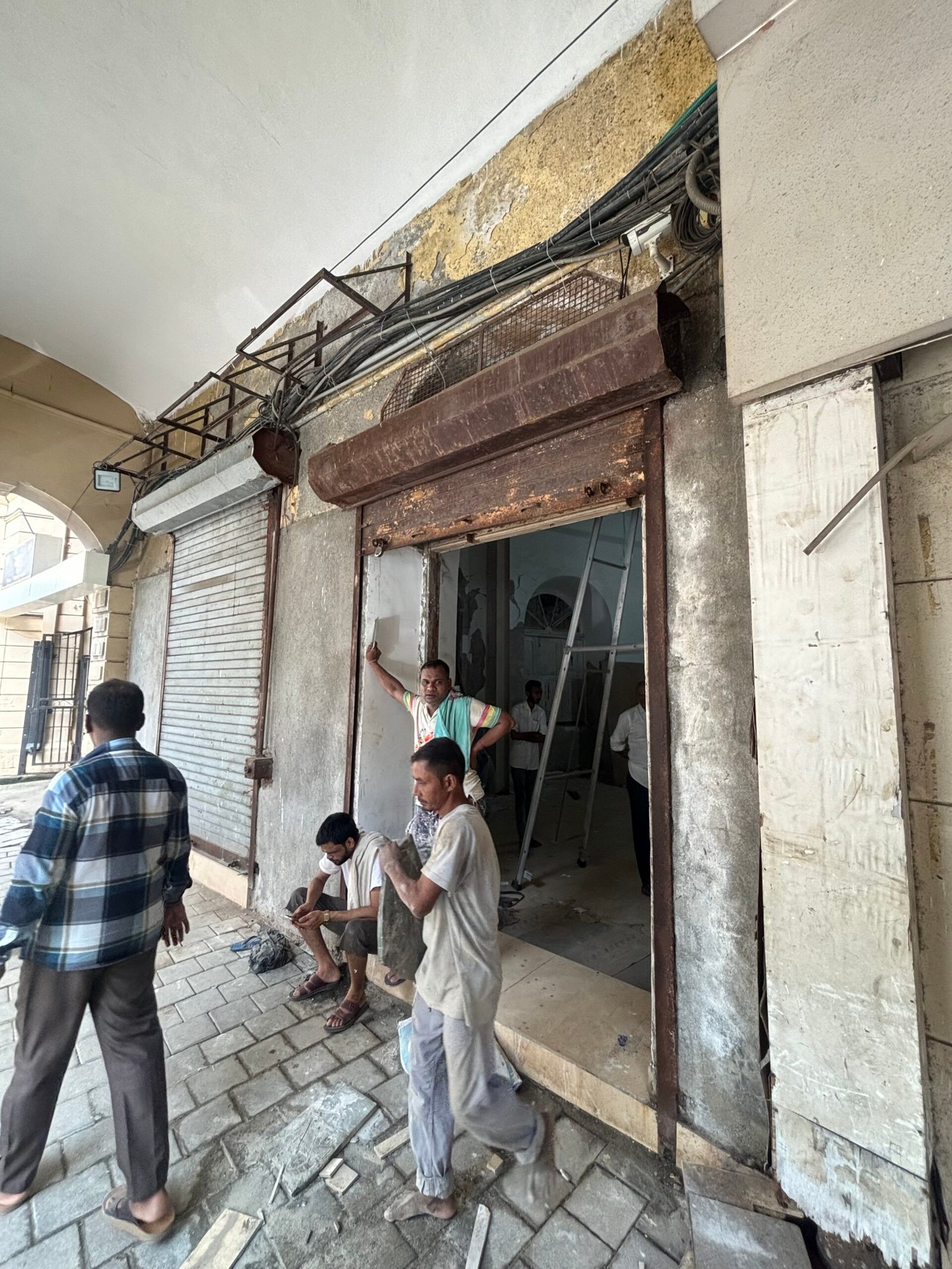
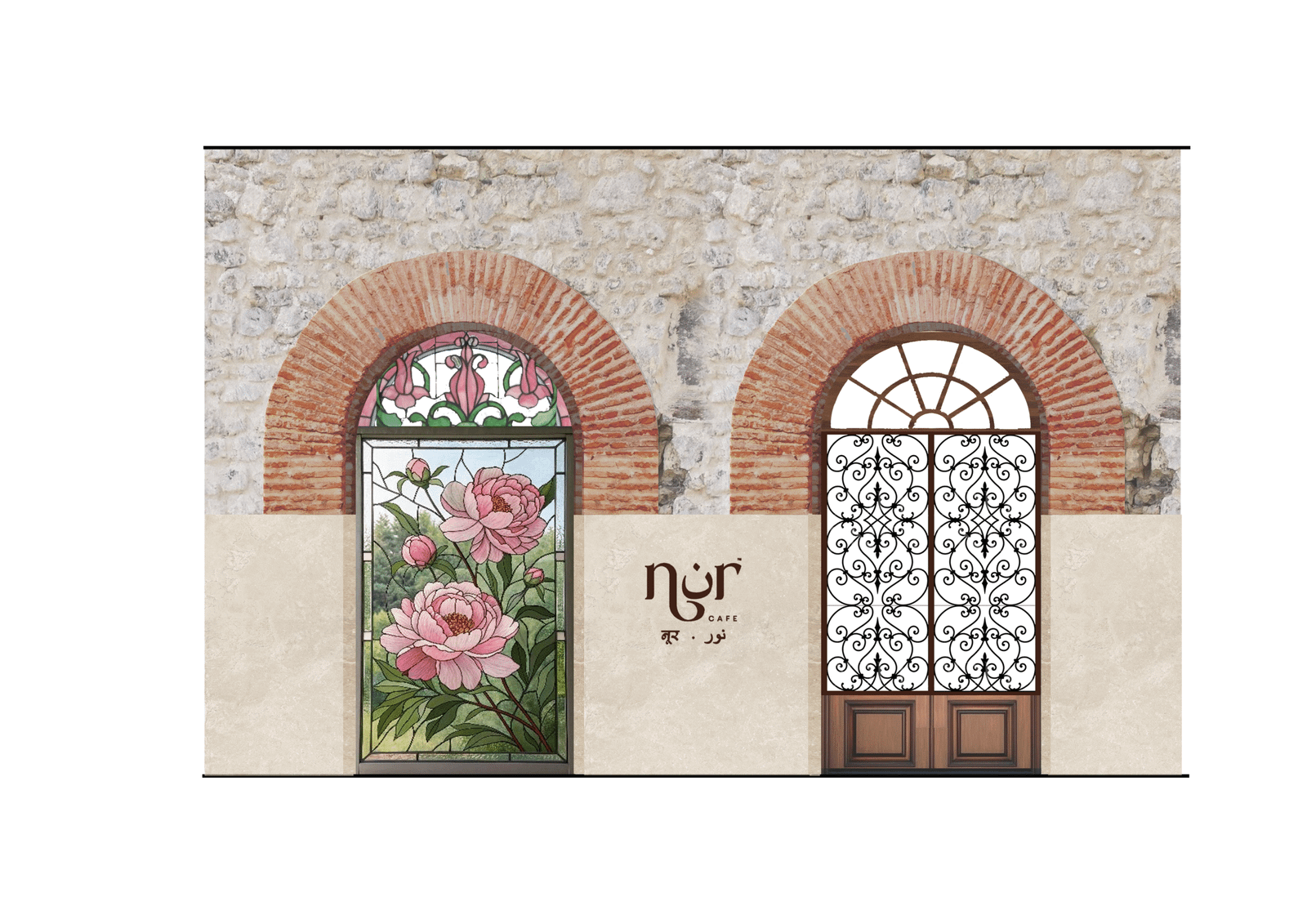
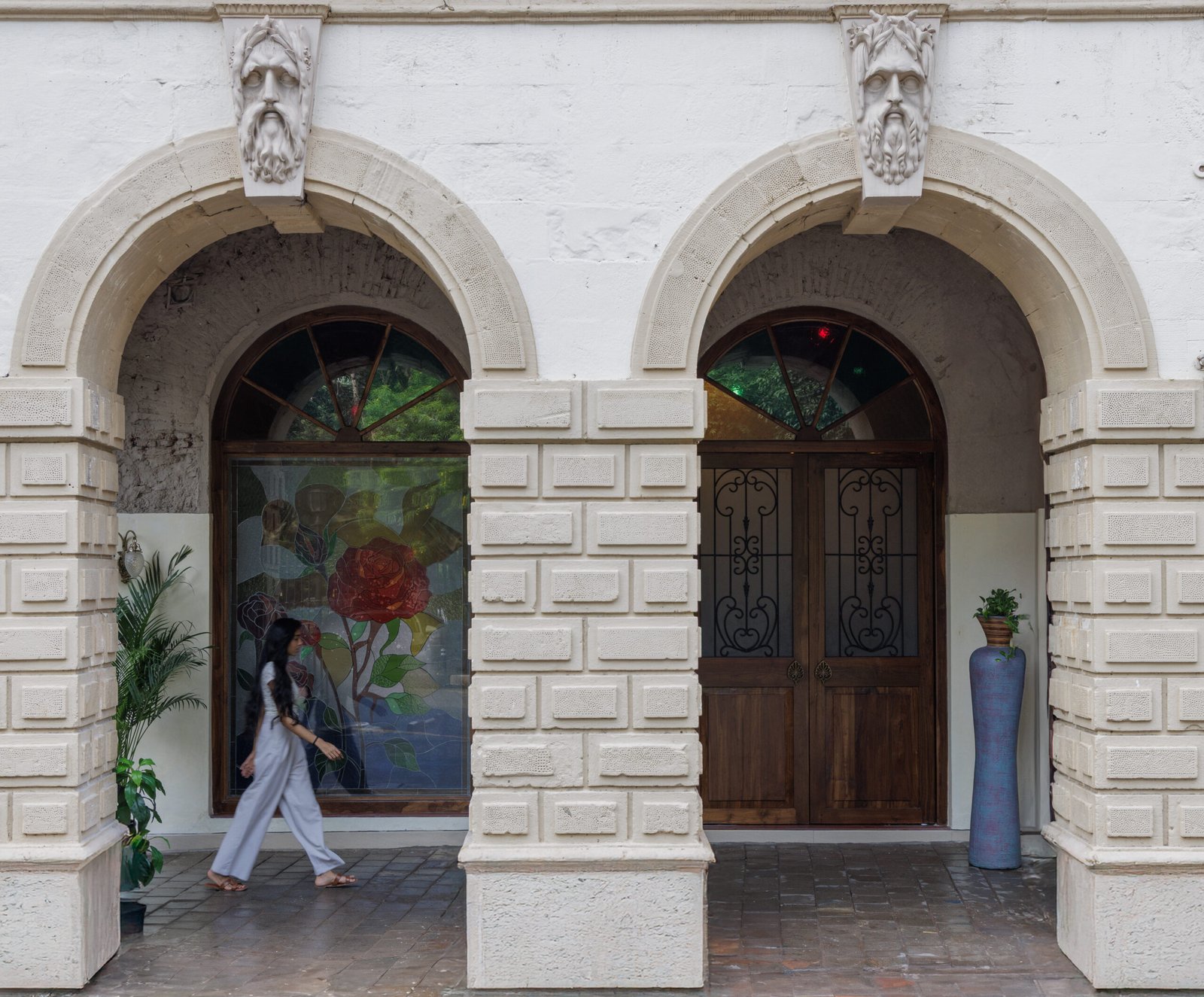
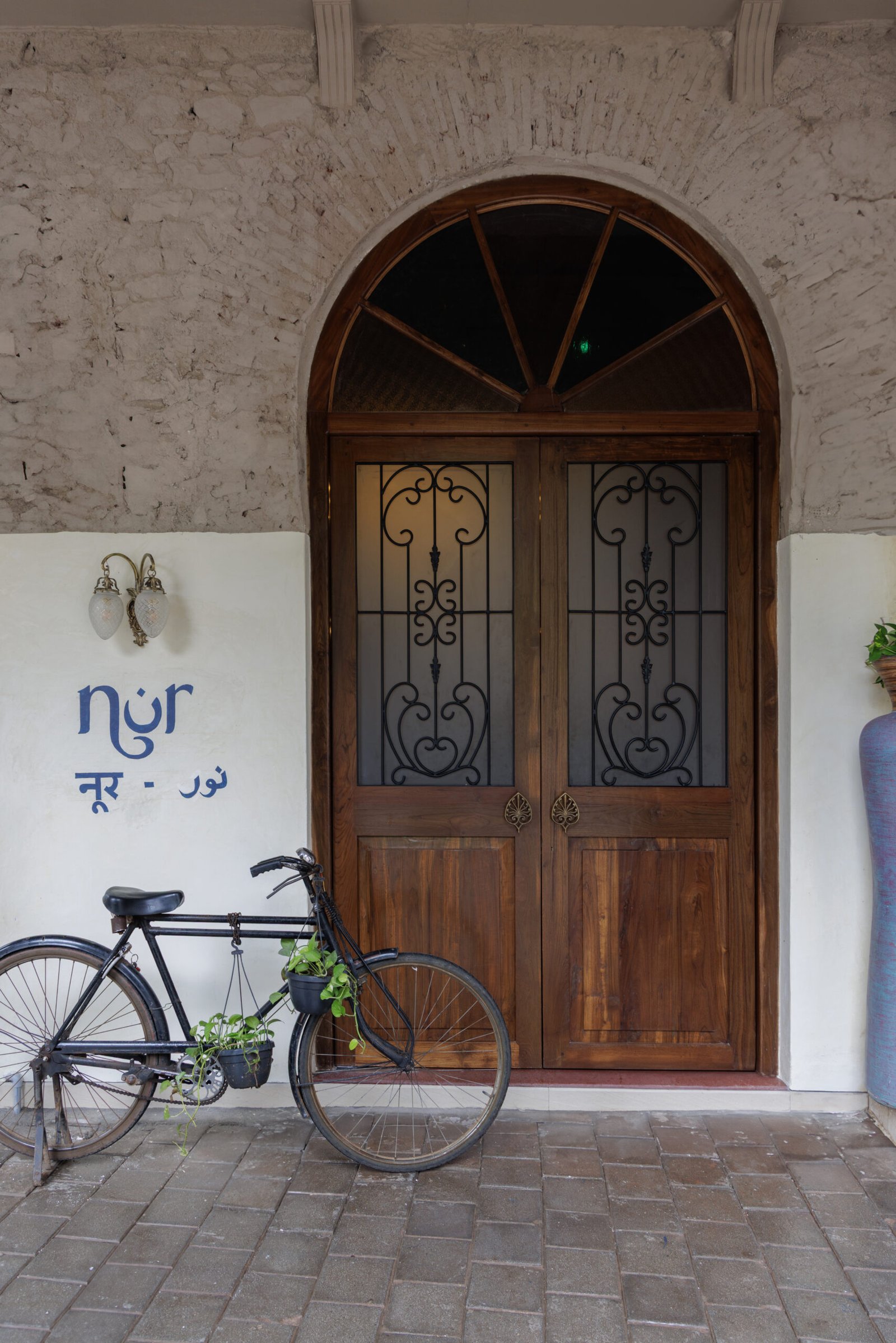
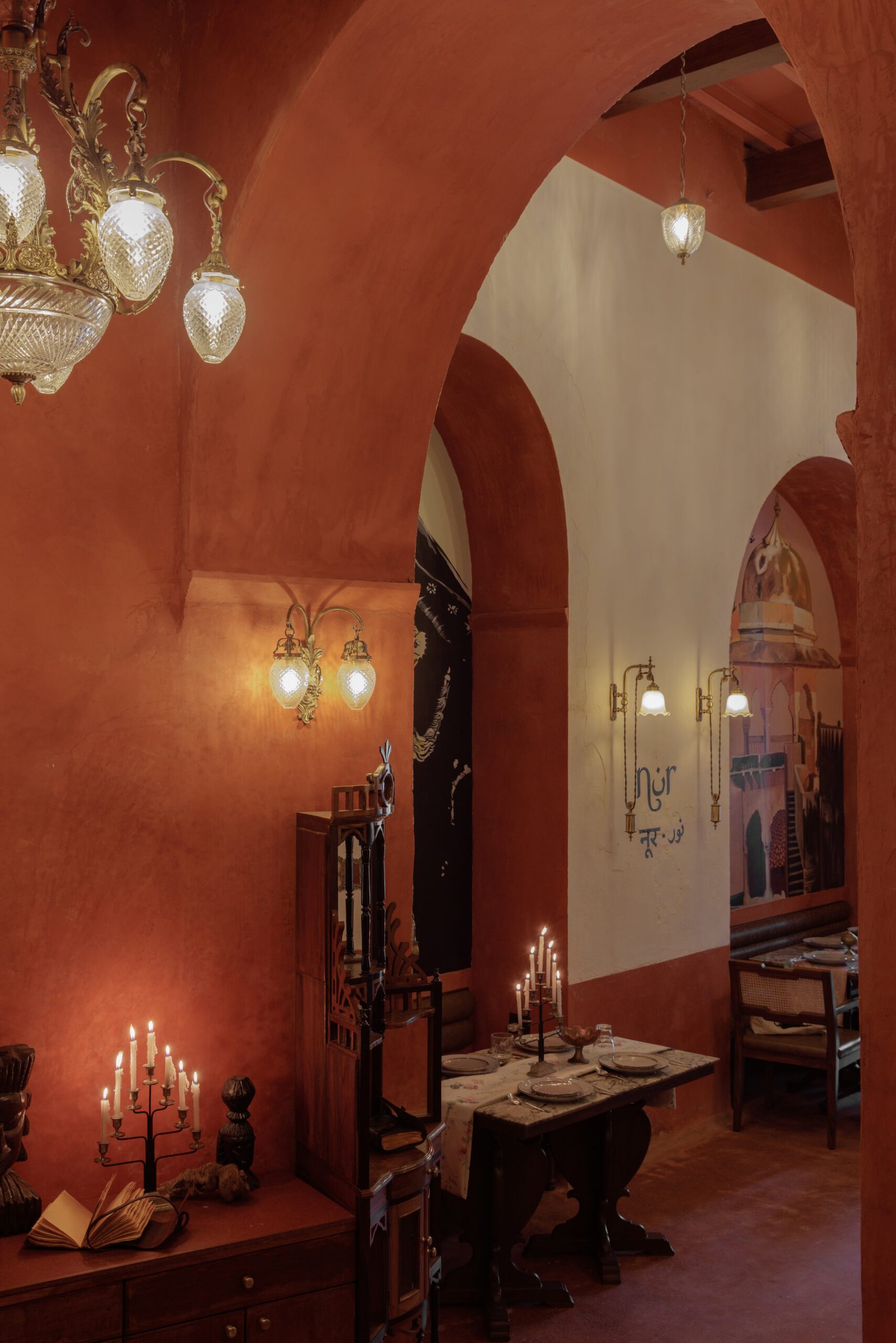
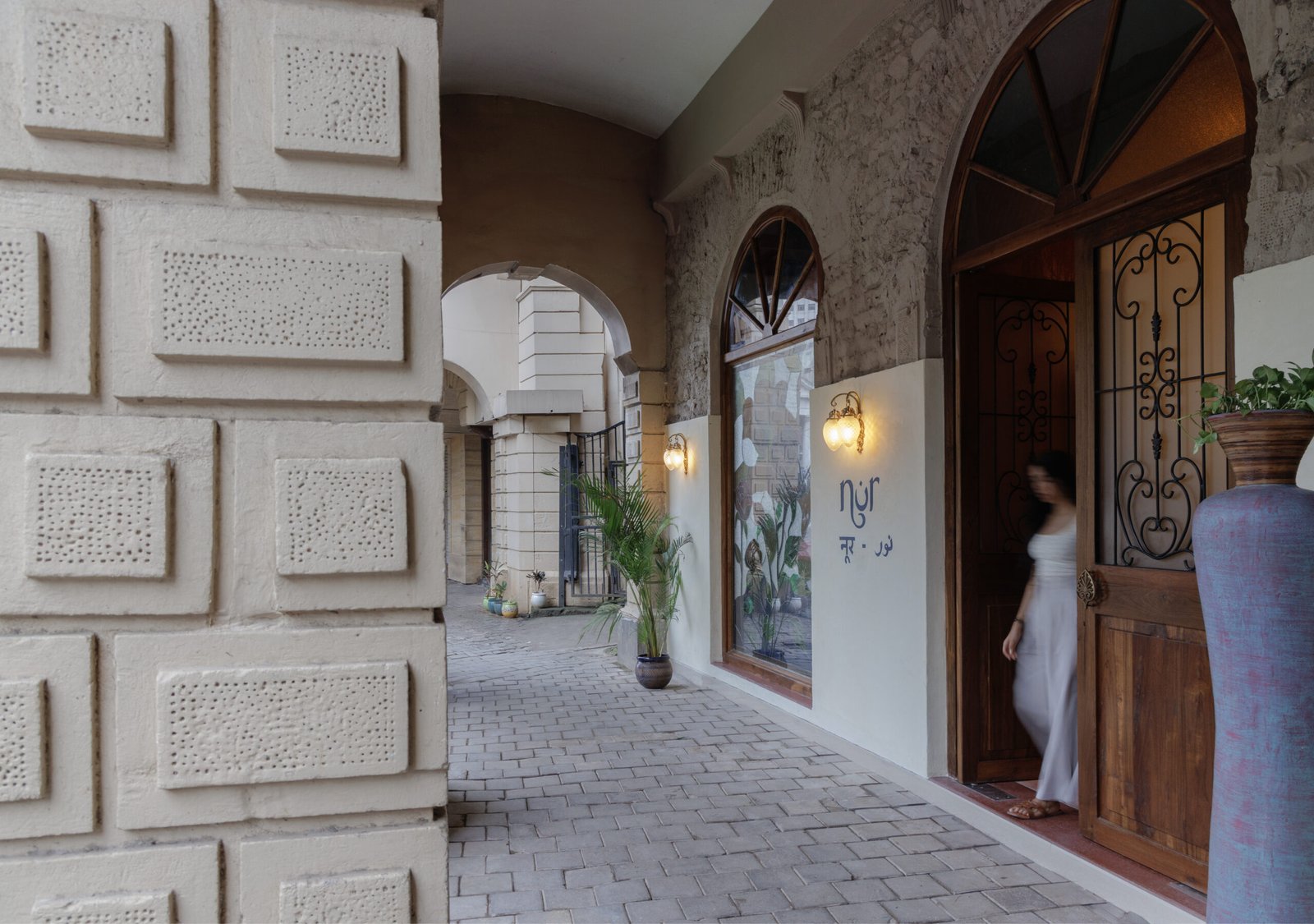
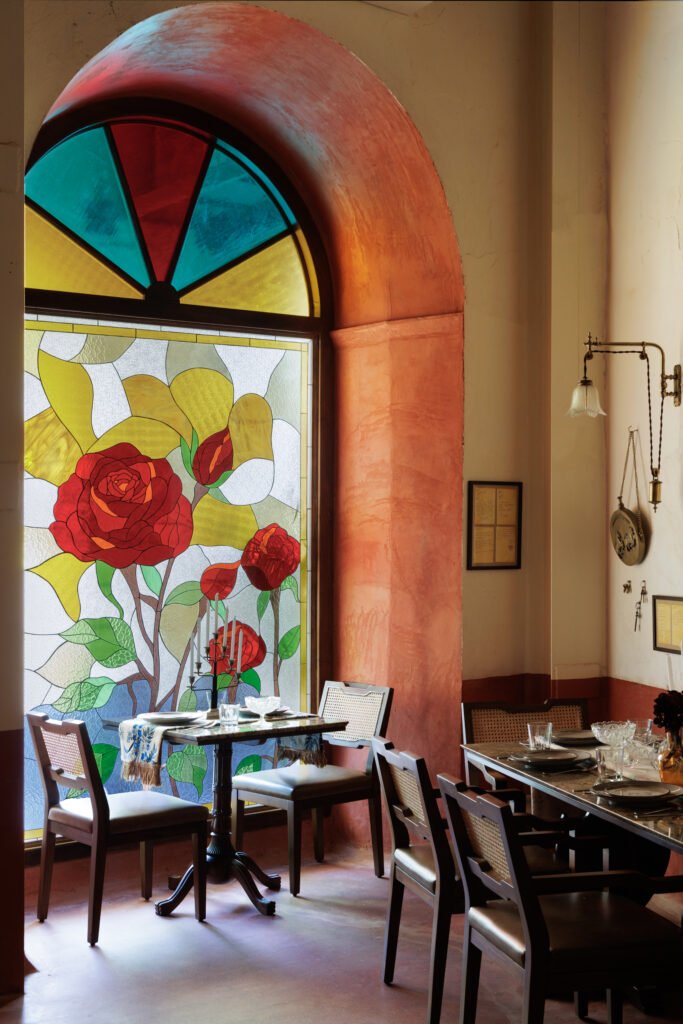
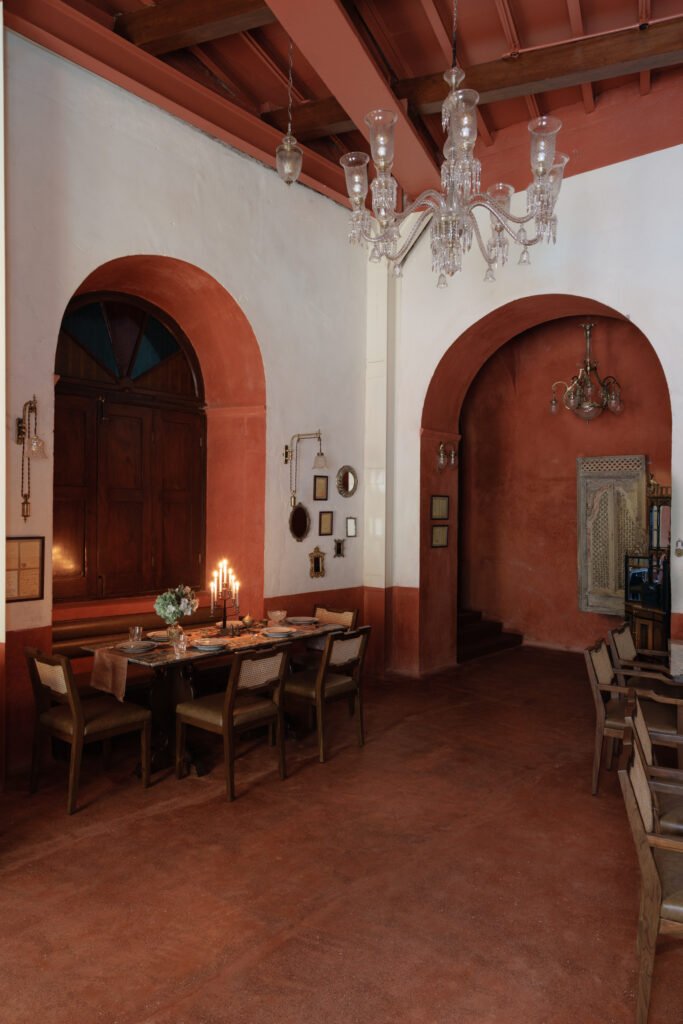
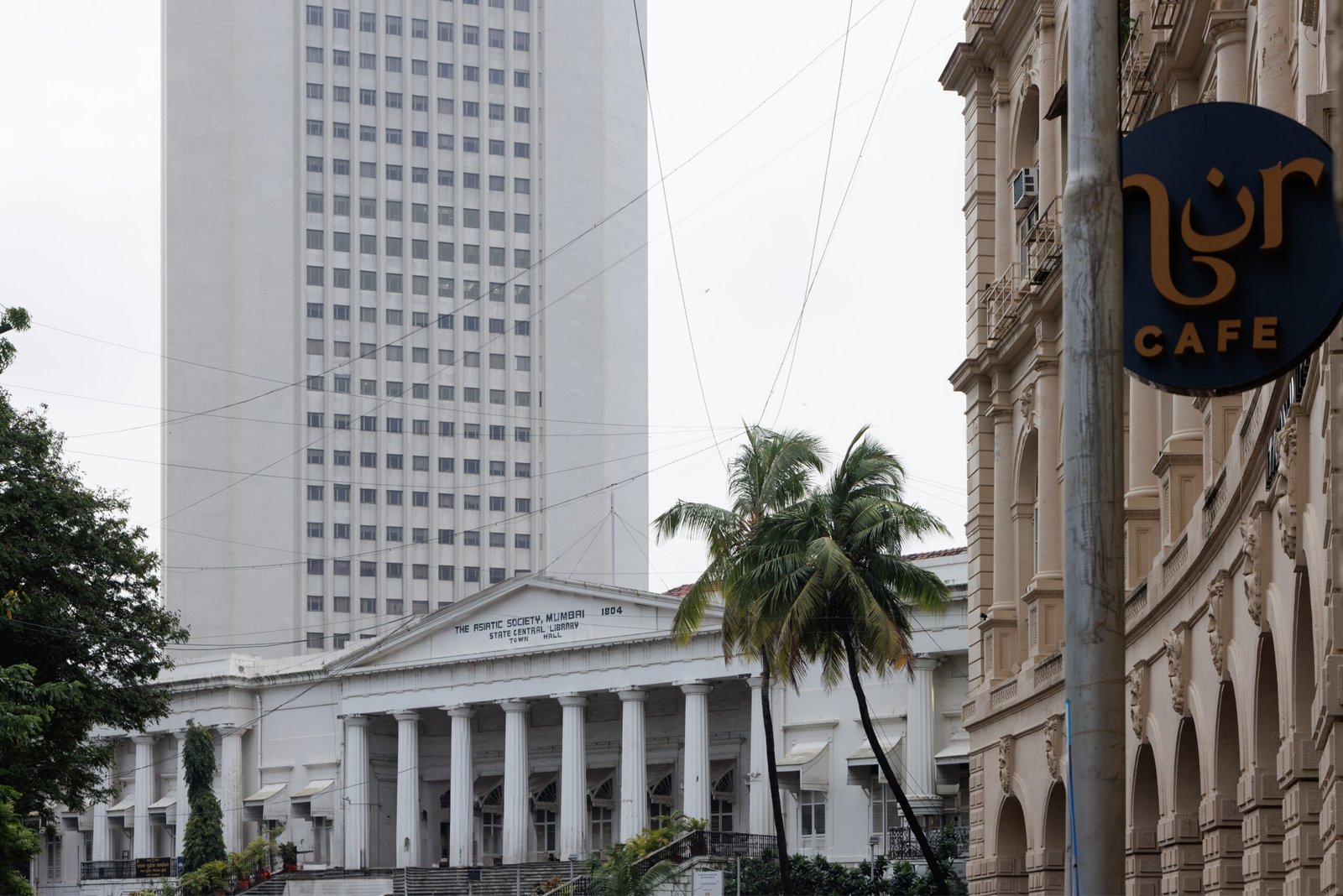
Located within a heritage building at Horniman Circle, Mumbai Fort, the project occupies a compact arched shop defined by thick load-bearing brick walls and a richly detailed façade. Before the redesign, much of the original character was hidden beneath layers of paint, altered flooring, and surface-level renovations that disconnected the interior from its historic shell.
Retain existing textures, forms, and imperfections that reveal the building’s history.
Tight timelines for fit out since the rent is rolling and each week can be potential revenue
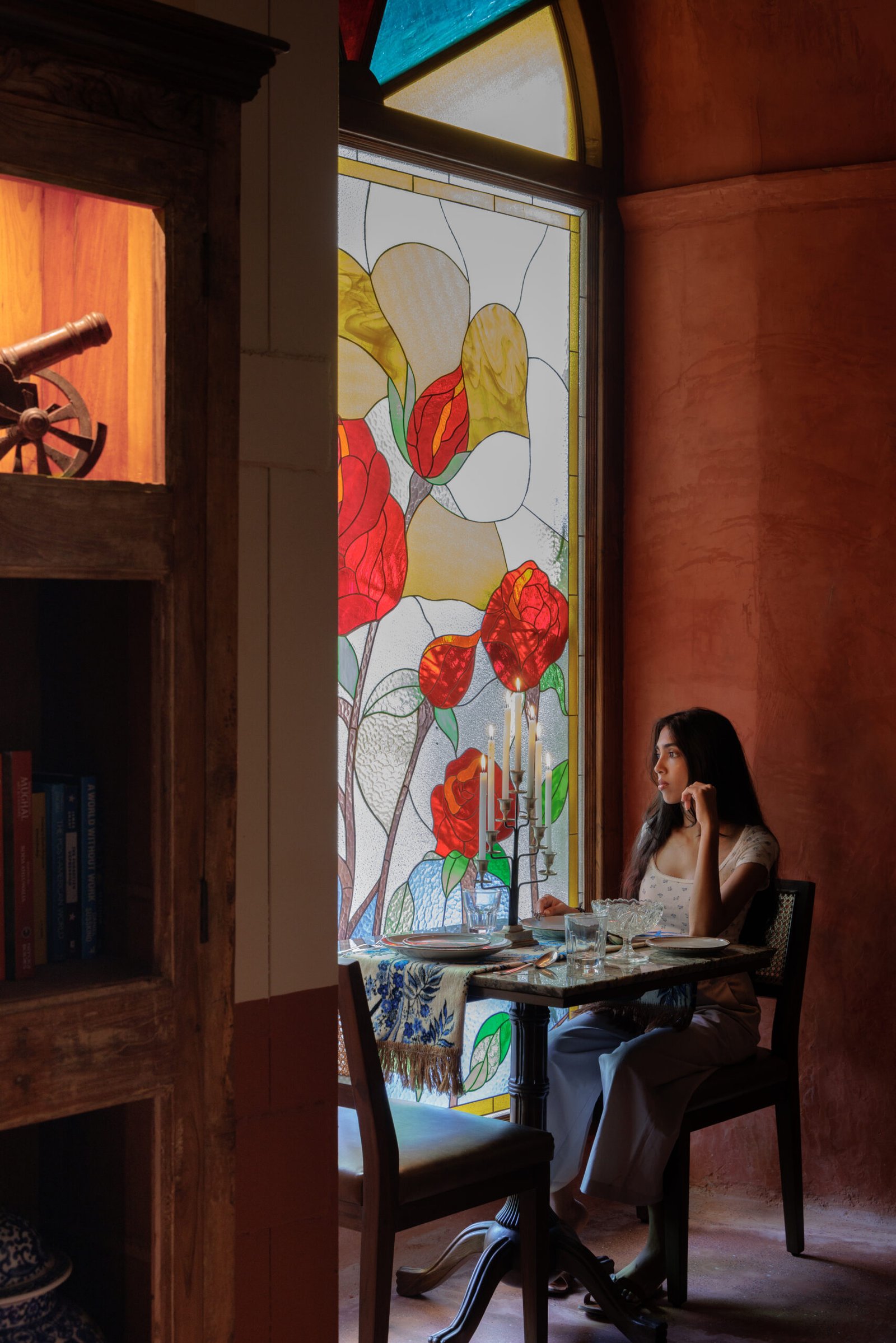
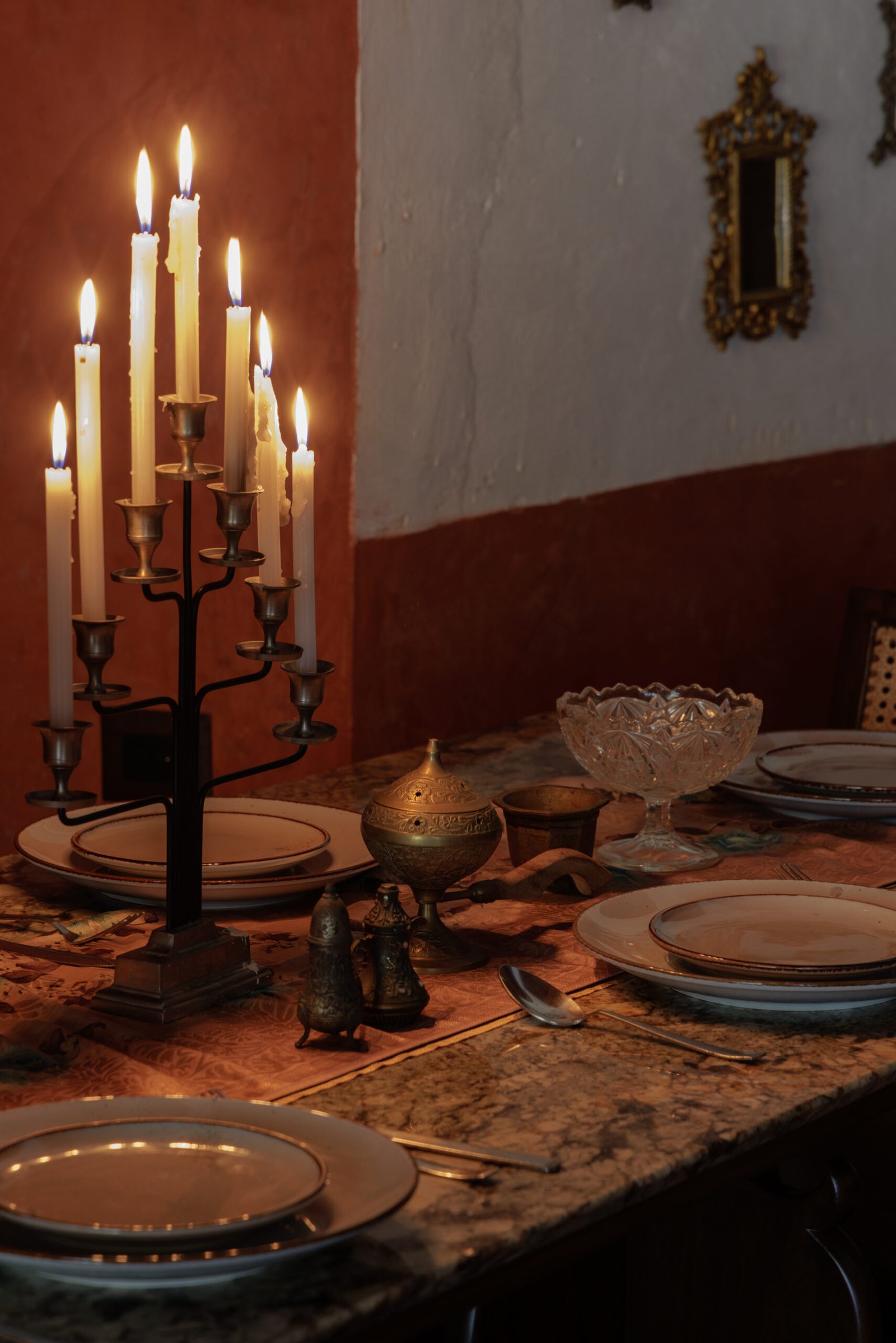
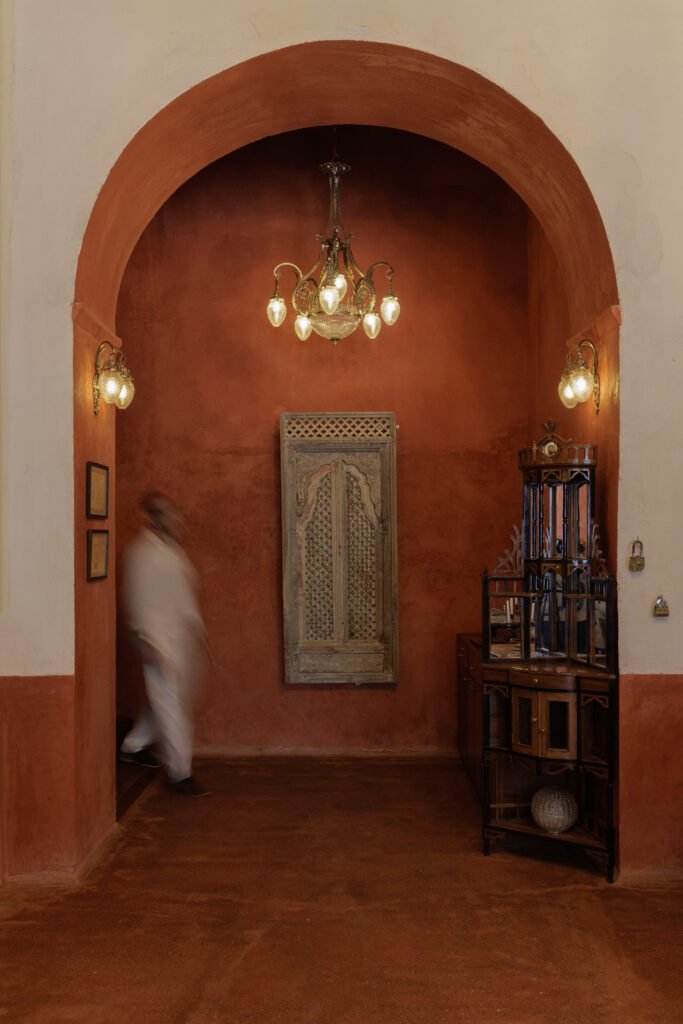
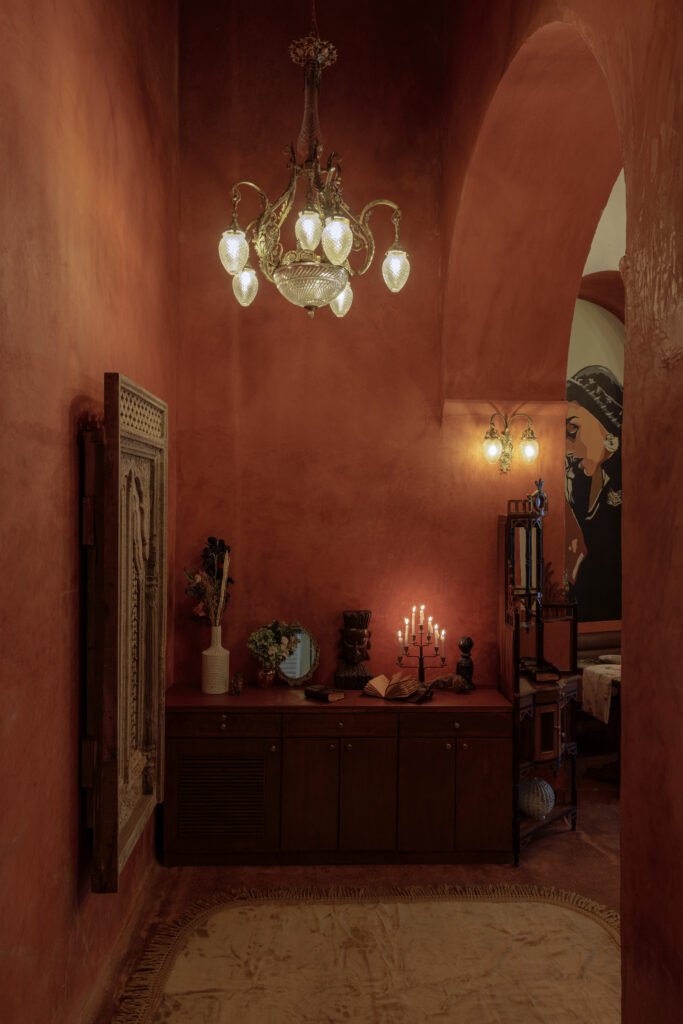
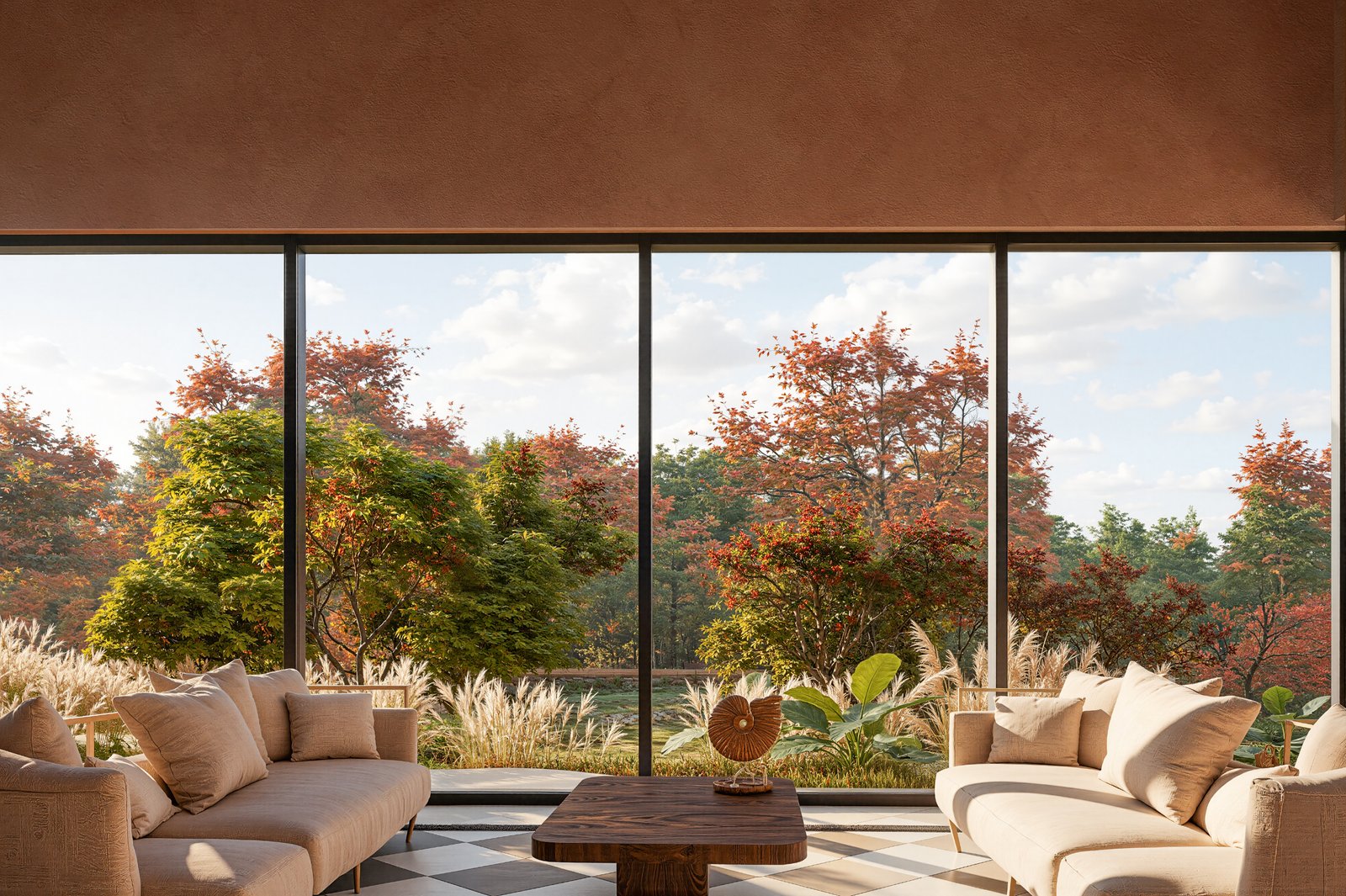
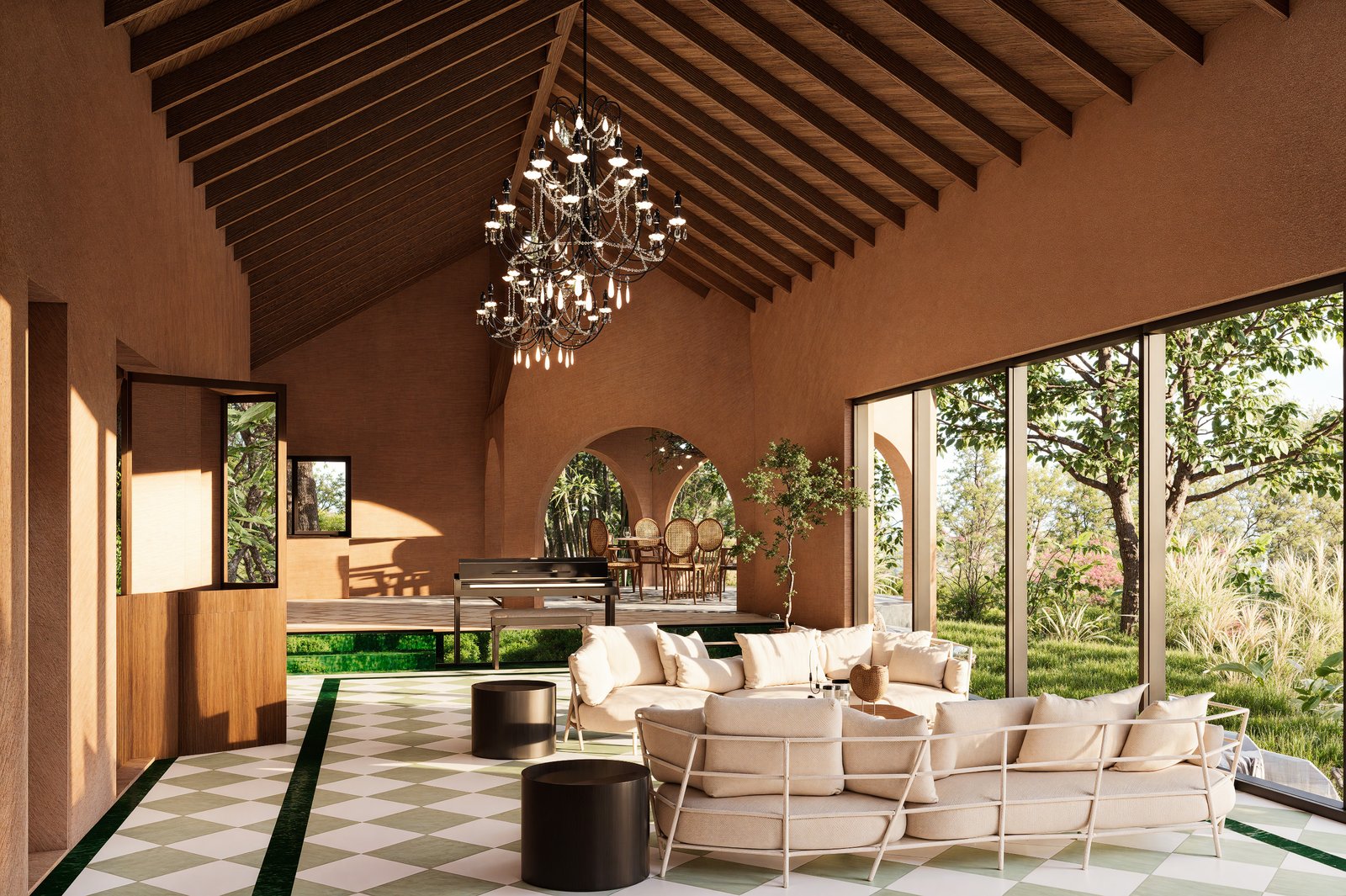
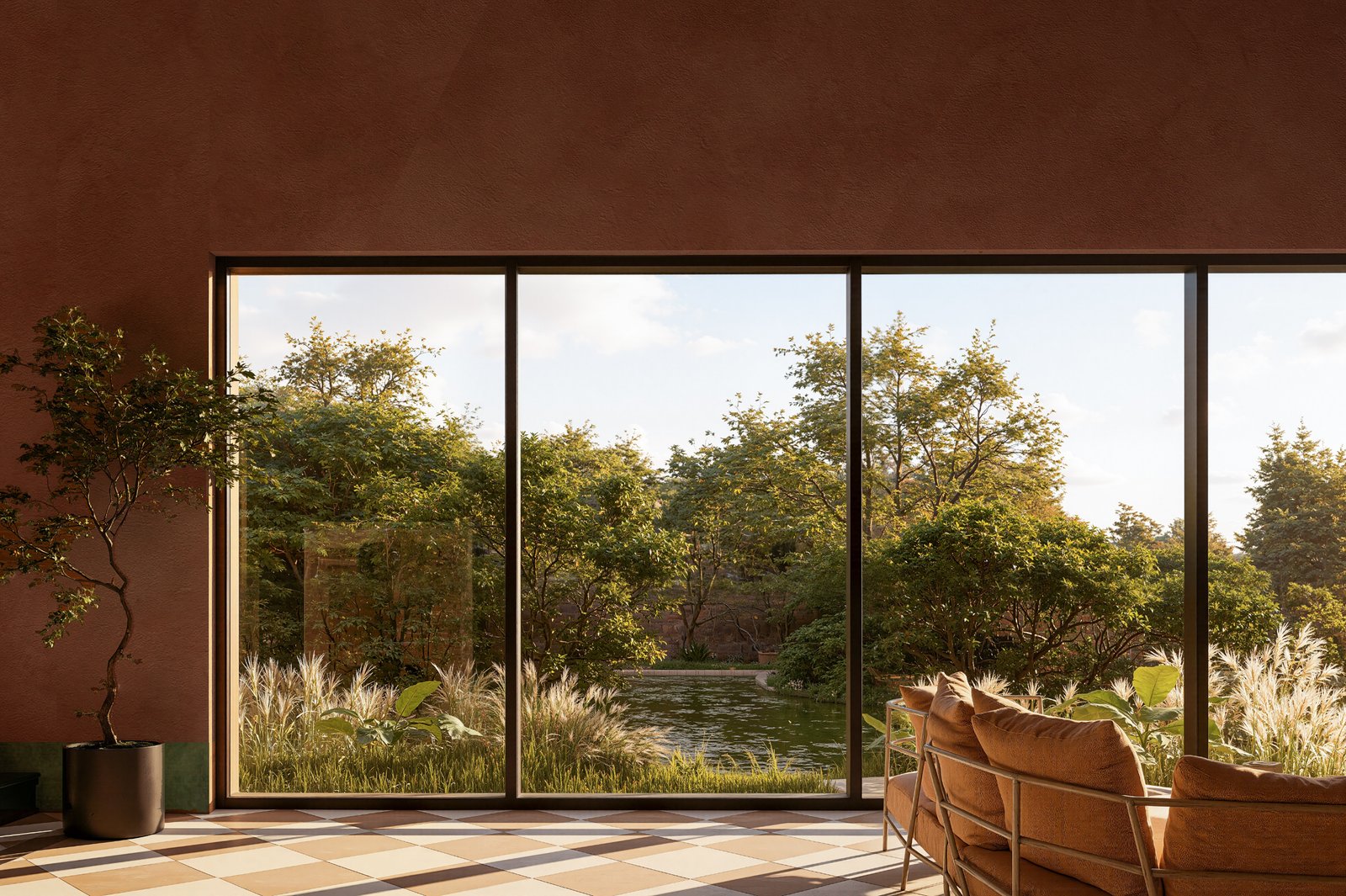
Use earthy tones, soft lighting, and tactile materials to evoke calm and introspection almost like having an Awadhi meal in a Sufi mehfil
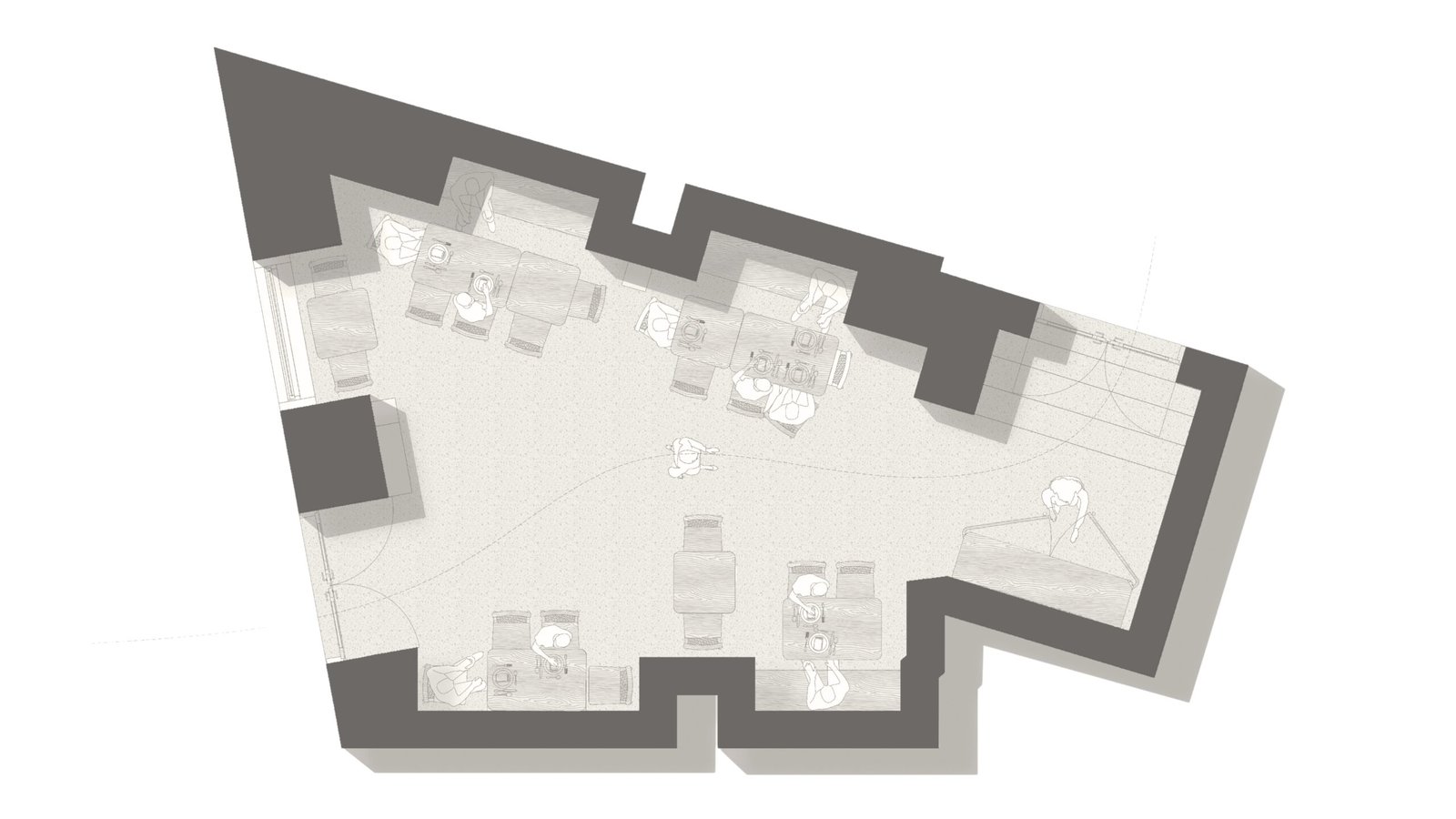
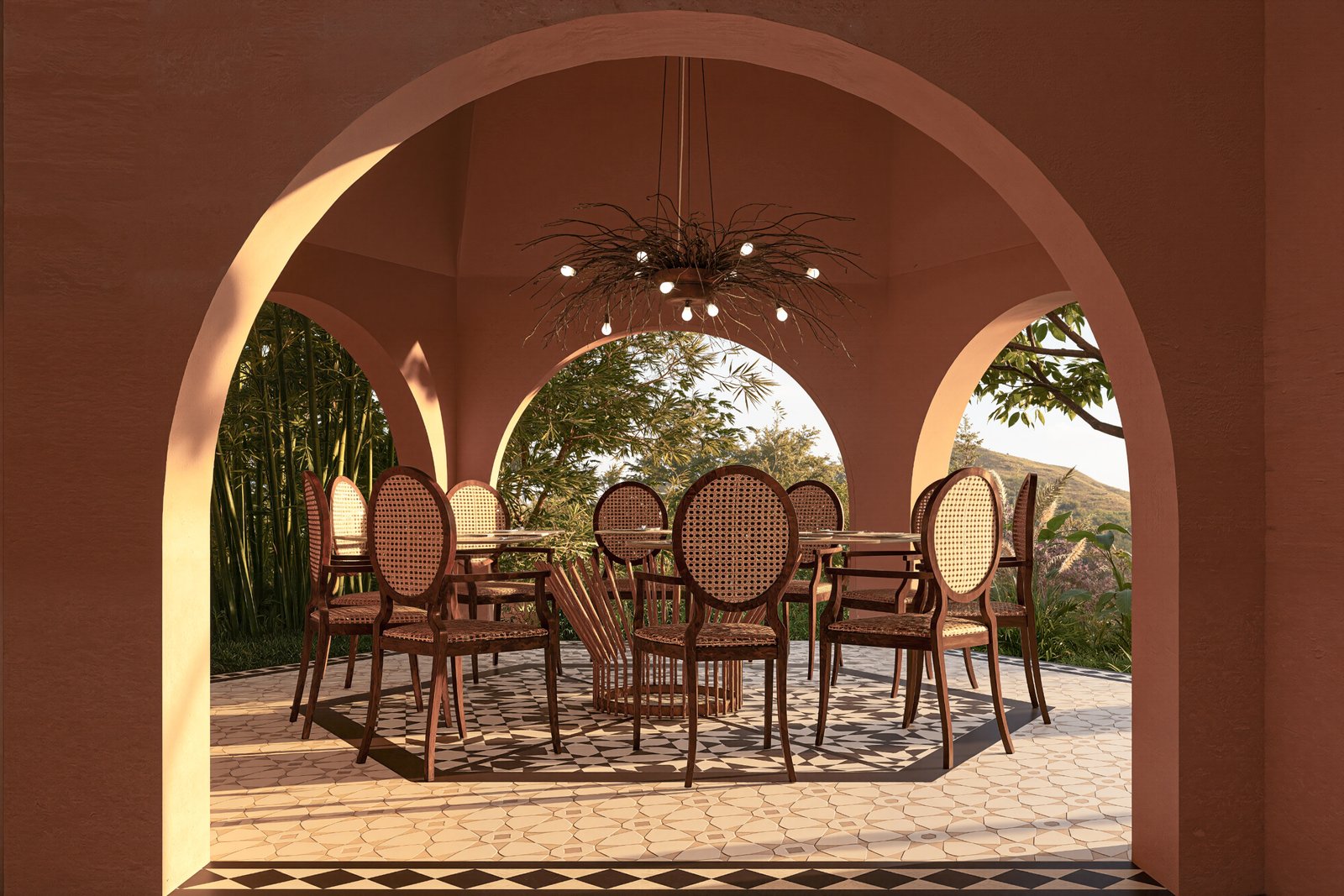
Seating that can accomodate a large family dinner as well as multiple smaller groups as required
Layer materials and memories to create a space that feels lived-in and enduring.
The primary challenge was to restore the soul of the space without turning it into a museum. Original materials were obscured, light felt flat, and the interior lacked warmth despite its architectural richness. Adding to this was a highly ambitious timeline driven by commercial pressures, requiring careful planning and efficient execution without compromising intent.
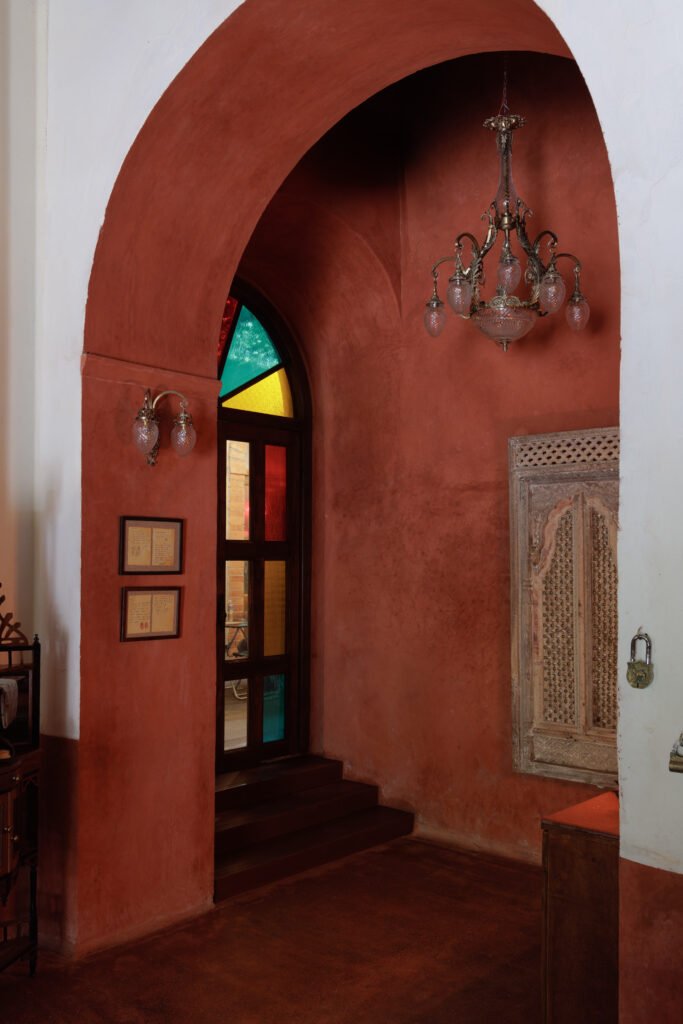
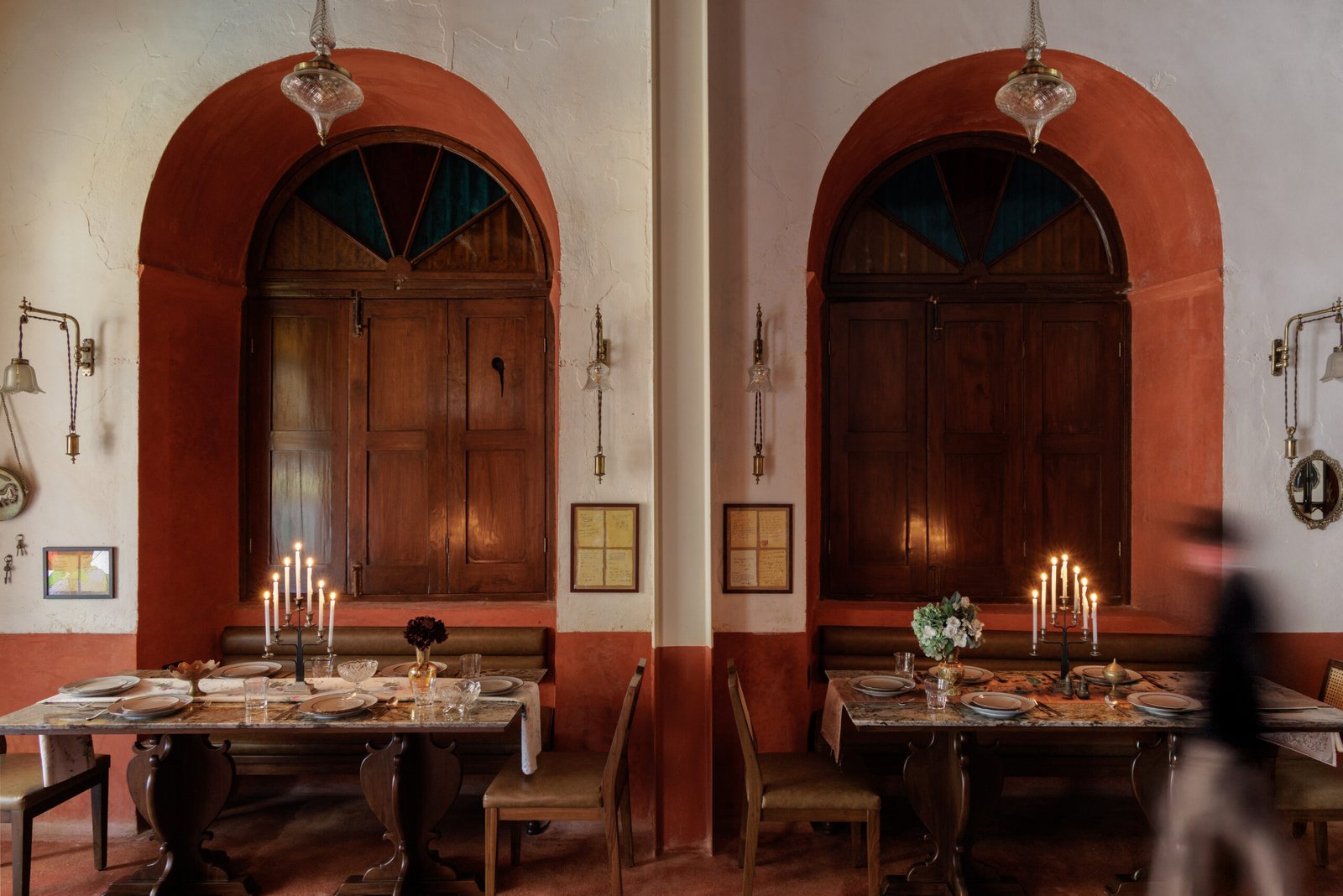
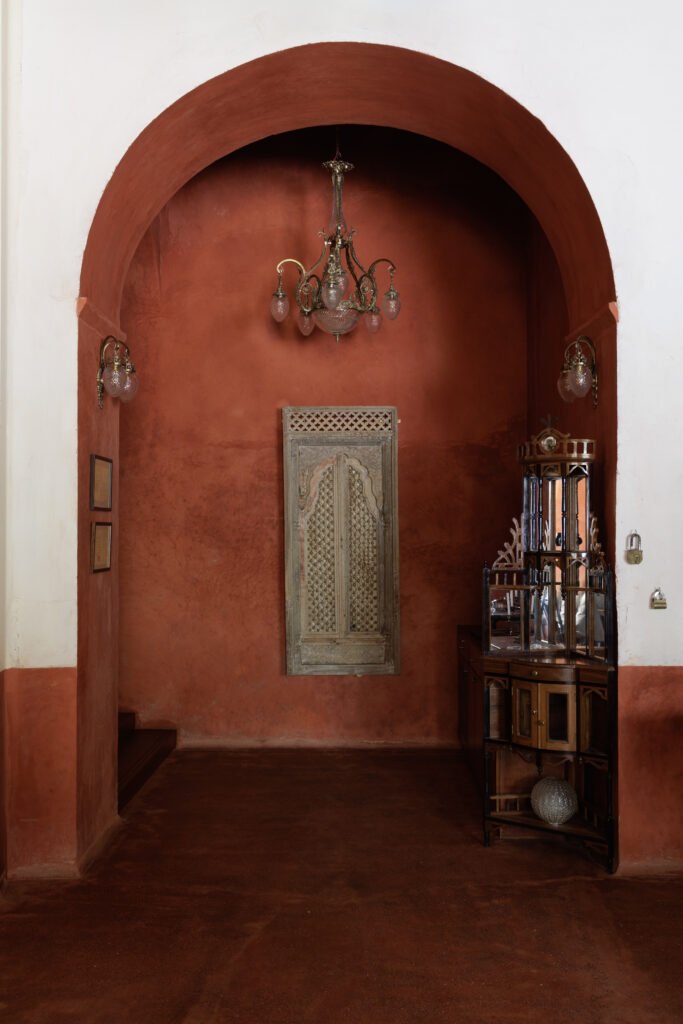
The design began by removing rather than adding. Existing finishes were stripped back to reveal brick arches, teak beams, and original proportions. Once the true canvas emerged, the interior was shaped using materials the building already understood ie, lime plaster, oxide flooring, brass, and natural finishes.
Planning focused on preserving the existing spatial order. No structural changes were introduced; instead, scale and intimacy were managed through lighting, suspended elements, and material continuity. The sequencing of work, choice of skilled vendors, and prioritisation of restoration ensured that the project stayed aligned with both time constraints and design intent.
A significant part of the intervention lay in the furniture strategy, particularly the dining tables, which were designed as adaptive elements within the space. The tables could morph into multiple configurations to accommodate different group sizes and dining patterns through the day, from intimate two-seater settings during quieter hours to larger communal arrangements during peak service. Their forms and joinery were carefully resolved so that individual tabletops could seamlessly connect with one another without creating vulnerable edges, unstable junctions, or dirt-trapping crevices. This allowed the restaurant to remain operationally efficient while maintaining the visual calm and material integrity of the overall interior.
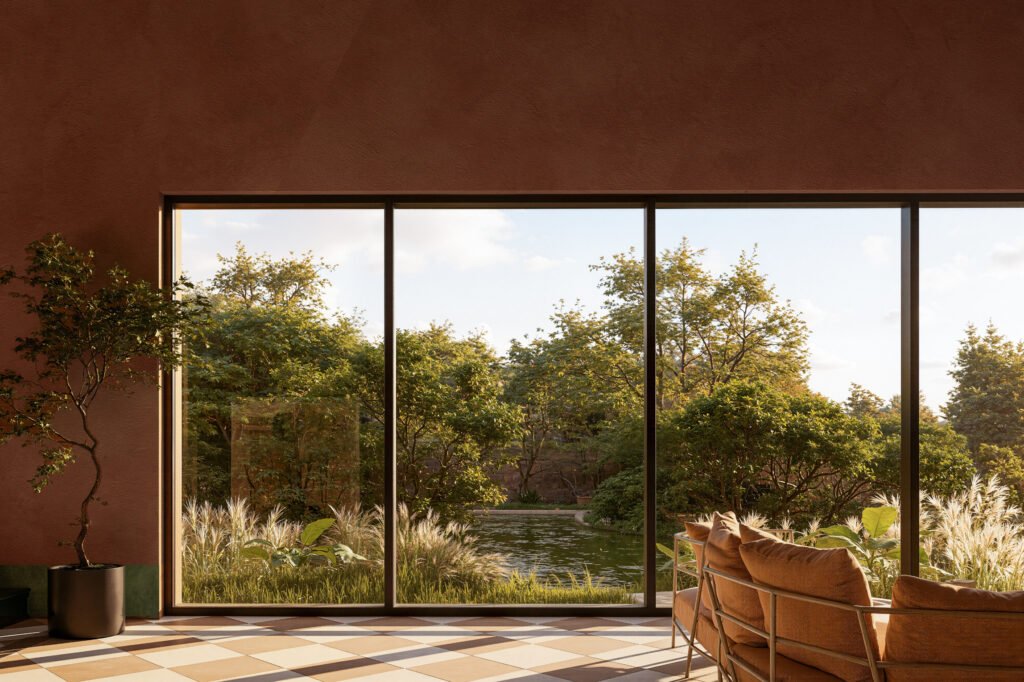
Today, the interior feels immersive and grounded. Light moves softly across brick and oxide, arches frame moments of pause, and handcrafted elements bring warmth without excess. The space works functionally as a comfortable dining environment and emotionally, offering visitors a sense of connection to old Bombay. More than a café, it becomes an experience that lingers long after the meal ends.
The existing layout was typical of urban apartments, making the living room feel smaller than desired despite ample light and openness. Another key challenge was blending strong traditional influences from Rajasthan and Maharashtra with modern materials, without the interiors feeling heavy, fragmented, or dated.

The design process began with collecting references inspired by palaces and traditional homes, followed by mood boards developed for each space. The apartment was carefully analysed for wind movement, natural light, ventilation, and quieter zones. Based on this understanding, spatial requirements were defined and zoning was planned to suit the family’s lifestyle. Traditional elements were reinterpreted through contemporary forms, colours, and materials to maintain balance and cohesion.
The finished home feels both rooted and refined. Spaces flow naturally from one to another, moving from openness to retreat while maintaining warmth throughout. Cultural influences are present but understated, creating interiors that feel royal yet comfortable, and modern yet timeless—a home that invites you to slow down and stay